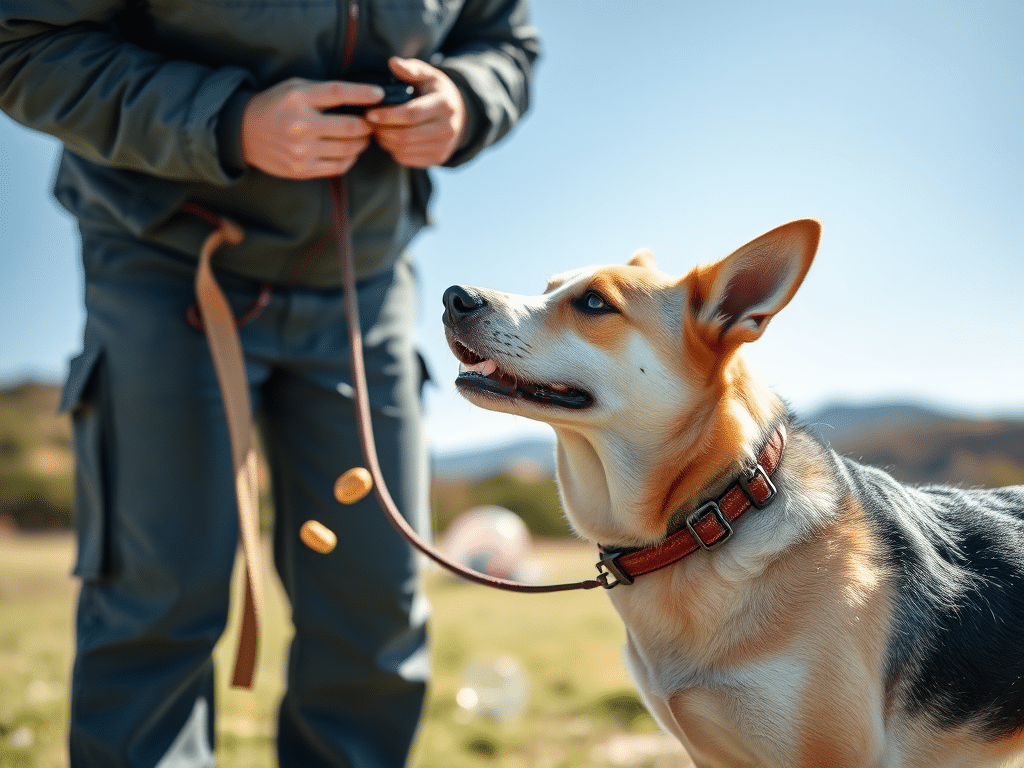
Walking your dog should be enjoyable — not a daily struggle. If your dog pulls on the leash, lunges toward distractions, or zig-zags during walks, you’re not alone. Leash manners are one of the most common challenges dog owners face.
The good news? With the right approach, leash walking can become calm, predictable, and even fun. Using positive reinforcement techniques, dogs can learn to walk politely on leash without force or frustration.
Why Leash Manners Matter
Loose leash walking isn’t just about convenience — it’s about safety and communication. Poor leash manners can lead to:
- Increased risk of injury for dogs and owners
- Frustrating or stressful walks
- Reinforced pulling habits over time
For dog owners in who walk in neighborhoods, parks, and busy areas, leash manners help keep everyone safe and relaxed.
Why Dogs Pull on the Leash
Dogs aren’t pulling to be “dominant” or disobedient. Most leash issues happen because:
- Dogs naturally move faster than humans
- Pulling has accidentally been rewarded (they get where they want to go)
- Distractions like smells, dogs, or people are more exciting than walking calmly
Understanding why your dog pulls helps you train more effectively.
How to Teach Loose Leash Walking with Positive Reinforcement
Positive reinforcement focuses on rewarding the behavior you want — a loose leash — instead of correcting pulling.
Step 1: Start with the Right Equipment
A standard leash and comfortable harness or collar work best. Avoid tools that rely on pain or discomfort.
Step 2: Reward Position, Not Distance
Reward your dog for walking near you with a loose leash, even if it’s just a few steps at first.
Step 3: Stop When the Leash Tightens
If your dog pulls, stop walking. Movement resumes only when the leash is loose again.
Step 4: Practice in Low-Distraction Areas
Begin training indoors or in quiet areas before practicing leash manners around Salem’s busier environments.
Common Leash Training Mistakes
Many leash issues persist because of small but consistent mistakes, such as:
- Allowing pulling “just this once”
- Walking too far, too fast
- Expecting perfect behavior without enough practice
Consistency and patience are key to lasting leash manners.
Training Leash Manners Around Distractions
Once your dog walks politely in quiet spaces, gradually introduce:
- Neighborhood walks
- Passing people or dogs
- Busier parks and sidewalks
Increase difficulty slowly and continue rewarding good choices.
When to Work with a Professional Dog Trainer
If leash pulling, reactivity, or frustration continues, professional guidance can make a huge difference. In-home training allows leash manners to be practiced where they matter most — on your actual walking routes.
Enjoy Calm Walks with Your Dog
Leash manners don’t require force or frustration. With positive reinforcement and clear communication, walks can become something both you and your dog look forward to.
Dog Training Services in Salem & Albany, Oregon
If you’re looking for professional, in-home dog training after reading this guide, Smart Dog Pet Training provides personalized programs throughout Salem and Albany, Oregon. Whether you need help with puppy training, obedience, leash pulling, jumping, recall, reactivity, or behavior modification, every training plan is customized to your dog’s individual needs and your family’s goals. Explore our local service pages below to learn more about our training programs in your area.
Leave a Reply