
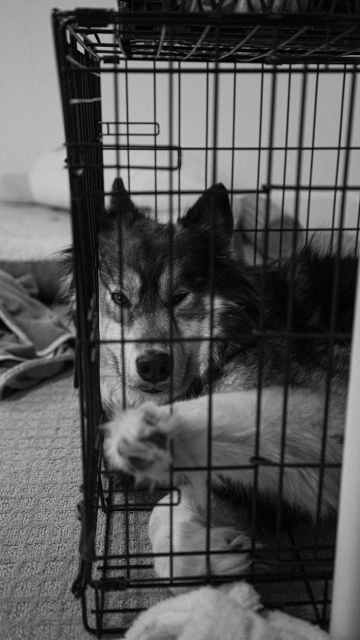
Crate training is one of the most effective tools for raising a happy, well-adjusted puppy. When done correctly, it provides your dog with a safe space, helps with housetraining, and reduces destructive behaviors. However, crate training requires patience, consistency, and understanding your puppy’s needs. Here’s a complete guide to help you get started.
Why Crate Training Is Important
Crate training isn’t about punishment; it’s about creating a positive, secure environment for your puppy. Benefits include:
- Safety: Prevents chewing on harmful objects or getting into dangerous situations when unsupervised.
- Housetraining: Puppies naturally avoid soiling their sleeping area.
- Travel: Makes car rides and visits to the vet less stressful.
- Routine & Boundaries: Helps your puppy learn self-control and adapt to family routines.
Choosing the Right Crate
Selecting the right crate is essential. Consider:
- Size: The crate should be large enough for your puppy to stand, turn around, and lie down comfortably, but not so large that they can eliminate in one corner and sleep in another.
- Material: Wire crates are great for ventilation and visibility. Plastic crates offer more security and privacy.
- Accessories: Add a soft bed or blanket for comfort. Avoid overcrowding the crate with toys initially.
Step 1: Introduce the Crate Positively
- Place the crate in a common area, such as the living room.
- Leave the door open and allow your puppy to explore at their own pace.
- Use treats, toys, or praise to encourage your puppy to go inside voluntarily.
Tip: Never force your puppy into the crate—it should always feel like a safe and enjoyable space.
Step 2: Encourage Short Stays
- Start by closing the door for short periods (5–10 minutes).
- Stay nearby and offer treats or a favorite toy while your puppy is inside.
- Gradually increase the time they spend in the crate.
Tip: Leave the room for a few minutes at a time to help your puppy learn that being alone in the crate is okay.
Step 3: Use Crate Training for Housetraining
- Take your puppy outside immediately after letting them out of the crate.
- Praise and reward them for eliminating outdoors.
- Stick to a consistent schedule for feeding, potty breaks, and crate time.
Step 4: Make the Crate Part of Daily Life
- Encourage short crate sessions during the day for naps.
- Crate your puppy at night for sleep, ensuring the crate is comfortable and safe.
- Avoid using the crate as a punishment; it should always remain a positive space.
Common Mistakes to Avoid
- Leaving the puppy in the crate too long: Puppies have small bladders; long periods can cause accidents.
- Using the crate as punishment: This can create fear or anxiety.
- Inconsistent routine: Puppies thrive on predictable schedules.
Signs Your Puppy Is Comfortable in the Crate
- They enter the crate willingly.
- They rest or sleep calmly inside.
- They don’t whine or try to escape.
If your puppy shows signs of stress, take a step back and slowly reintroduce the crate in shorter, positive sessions.
Final Thoughts
Crate training, when done correctly, can provide your puppy with a lifelong sense of security, improve housetraining, and help manage behavior. The key is patience, consistency, and making the crate a positive, happy place. With time, your puppy will come to view their crate as their personal safe haven.
Explore Our Free Dog Training Library
Looking for more dog training tips before getting started? Our free Dog Training Library is filled with professional articles designed to help dog owners better understand common behavior challenges and effective training techniques.
Whether you’re working on puppy training, leash manners, jumping, recall, reactivity, anxiety, or everyday obedience, you’ll find practical guidance to support your training journey. Browse our growing collection of expert resources below and discover proven training advice from Smart Dog Pet Training.
Leave a Reply